Brand Hub — McLaren
A Clutch Pedal, a Kiwi, and 820 PS.
Three stories, one lake, and a 63-year argument about what a McLaren is supposed to be. The 6GT, the 820, and the Hybrid Fight-Back — plus the icons we haven’t got to yet.
McLaren · 3 stories · November 15, 2026 · Brand hub
B01The Wrench’s take
Woking doesn’t sell speed. It sells lightness.
McLaren is the only car company that sells you lightness first and everything else second. The badge is a promise that the thing will weigh less than its rivals, steer better than its rivals, and make you feel more than its rivals — and for six decades Woking has mostly kept it. The current moment is the strangest in the company’s history: the sharpest heritage bet it has ever made, and a core car announced as a name, a number, and a bird.
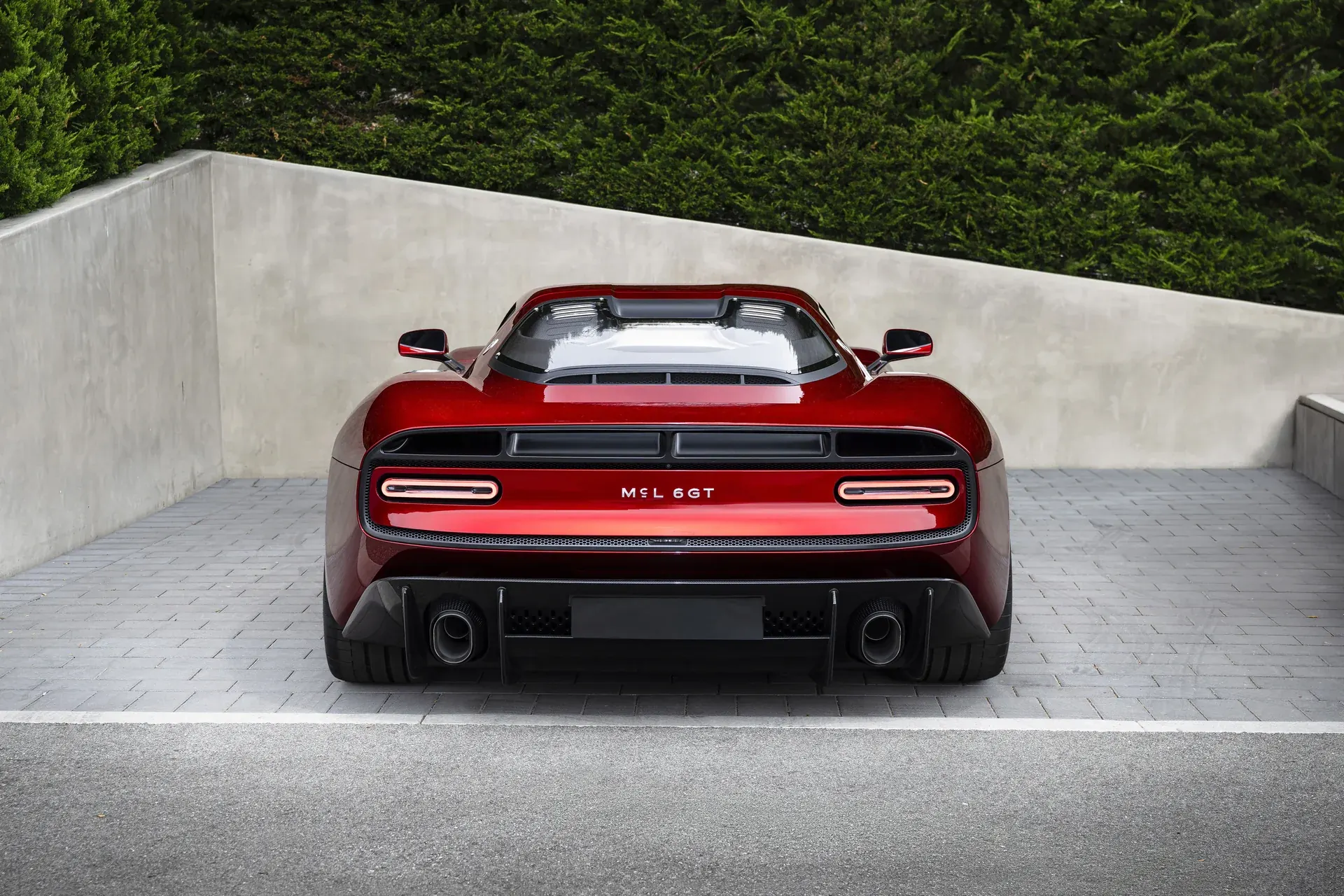
The 6GT is the proof. A mid-mounted V8, a six-speed manual with an exposed linkage, rear-wheel drive, hydraulic steering, and a carbon monocoque — the first McLaren road car with a true manual gearbox since the F1 of 1992. Thirty-four years. McLaren has published no power figure, no weight, no price, and no volume; what is reported is around 500 cars at around US$1.5 million, with a production version due in 2028. The gearbox is the headline because the gearbox is the whole point: in 2026, when every other supercar maker has decided the manual is dead, McLaren built one anyway.
The 820 is the opposite bet: the volume car, the 750S’s successor in practice, due in 2027 with 820 PS — about 809 hp — confirmed in the name itself. McLaren announced it on October 30, 2026, with no car, no engine, no price, and no photograph of anything with four wheels. What it showed, a day earlier, was a giant kiwi statue in Covent Garden with the name painted on its side. The name is a promise it cannot quietly walk back. The open question is weight: the 820 is reported to use a new in-house hybrid powertrain, and hybrid means heavy, probably — and McLaren’s entire identity is built on weighing less than everyone else.
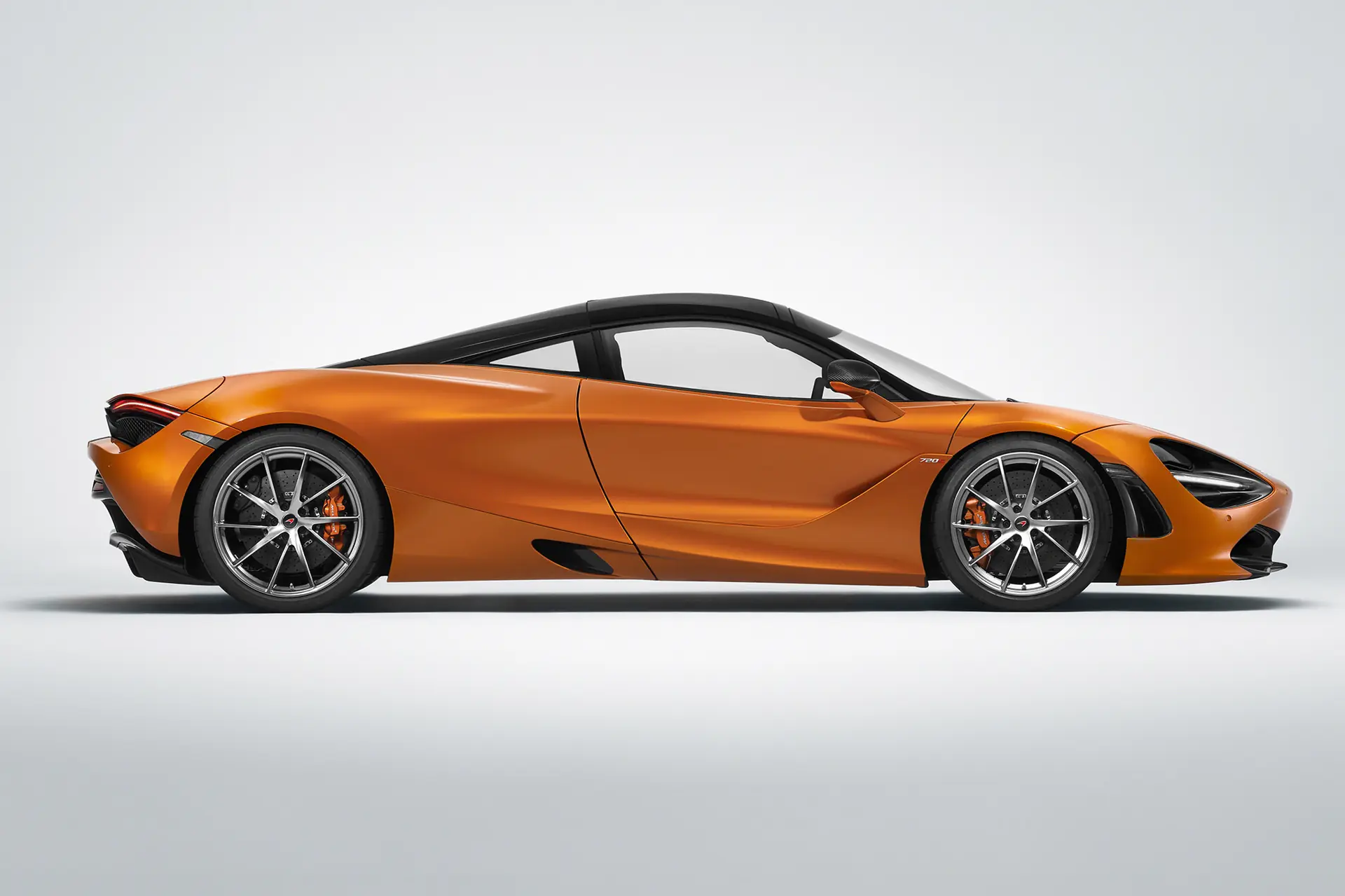
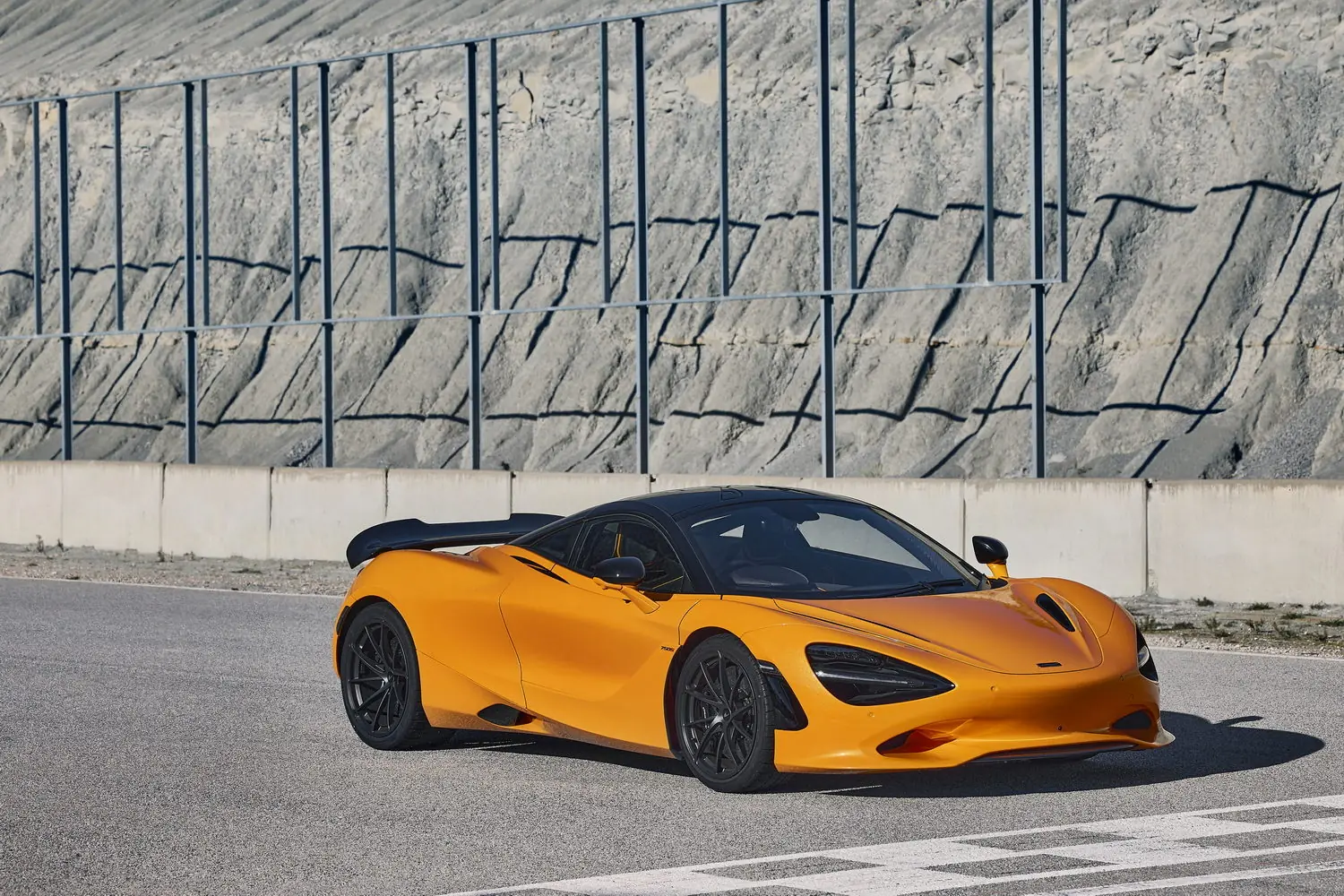
And the Nürburgring is where McLaren proves it. The 720S’s 7:08.340 — a stock car on a Sport Auto supertest on June 28, 2018, Christian Gebhardt driving — is still the fastest McLaren lap on our leaderboard, on the 20.6 km layout. The 600LT sits two places behind it at 7:08.820. The 6GT and the 820 have no laps at all, and this page will not invent them: no power figure, no weight, no lap time, no attempt announced.
So this page is the whole McLaren story as we have it: three stories, the fastest lap a McLaren has ever done at the Ring, and the icons we haven’t got to yet. If the F1 gets the traffic, the F1 gets the retrospective. That’s the deal.
— The Torque Wrench
7:08.340
Best McLaren Nürburgring lap · 720S (Sport Auto Supertest, 20.6 km, 2018)
820 PS
Most powerful covered · McL 820
34 years
Since the last manual McLaren · F1, 1992
3
Stories so far
B02The stories
Everything we’ve covered.
Three so far: a manual V8 heritage car two years from production, a core supercar announced as a name, a number, and a bird, and the Hybrid Fight-Back explainer. Previews carry no verdict yet — it lands when the car debuts and independent test data exists.
 Explainer
The Hybrid Fight-Back · November 13, 2026
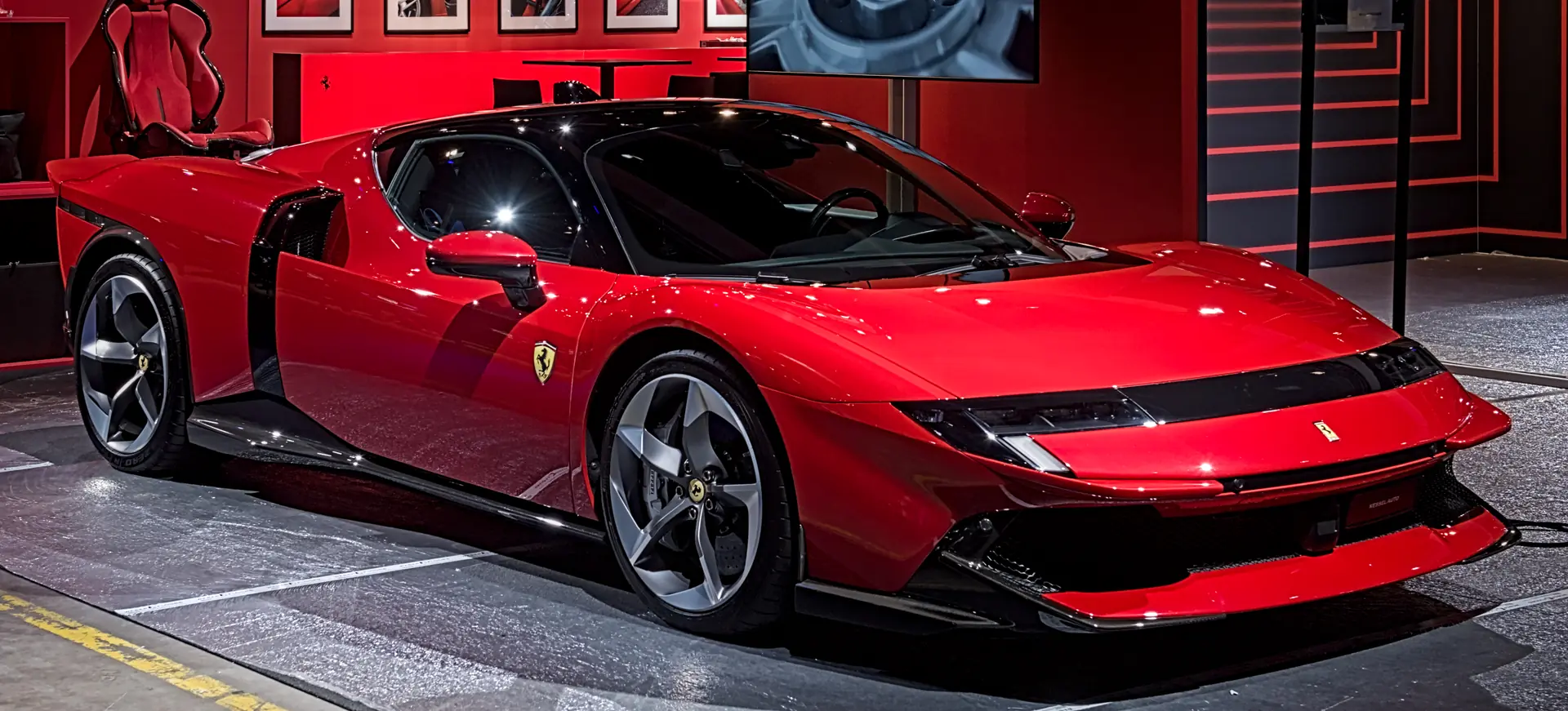
The Engine Refused to Die. It Hired an Electrician.
Hybrids just took a record 16.3% of American car sales while EV sales fell — and the fastest new supercars on earth, from Ferrari’s 1,050-CV 849 Testarossa to McLaren’s 1,258-hp W1, are all hybrids. The engine was supposed to die quietly. Instead it hired an electrician, and the fight-back is winning.
Read the explainer →Photo: Alexander Migl / Wikimedia Commons (CC BY-SA 4.0)
 Preview
McLaren McL 6GT · November 4, 2026
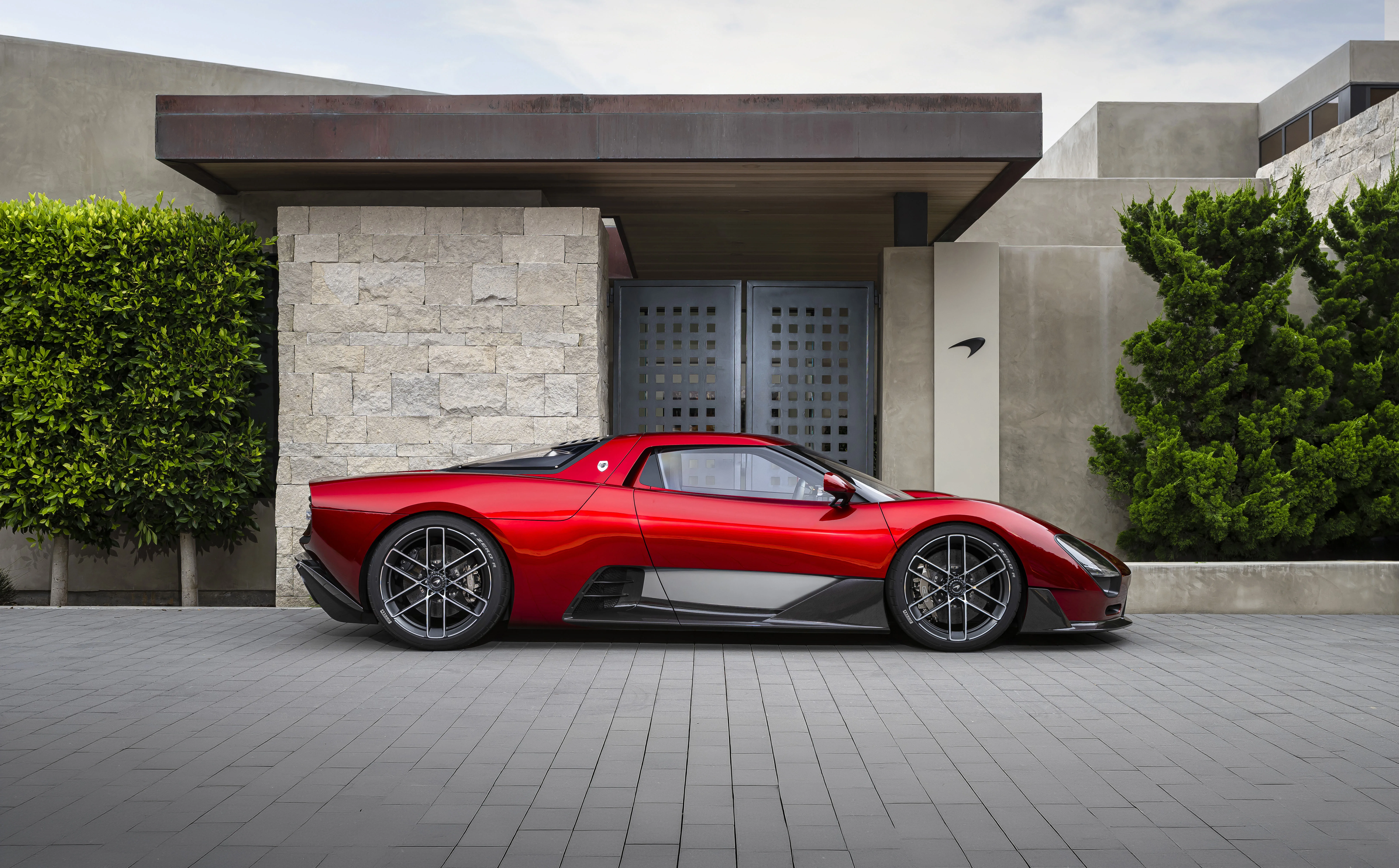
A Clutch Pedal and a 57-Year-Old Dream.
The McLaren McL 6GT is the car Bruce McLaren never got to finish, finished 57 years later with a clutch pedal. A mid-mounted V8, a six-speed manual, rear-wheel drive, hydraulic steering, and a carbon monocoque: the first McLaren road car with a manual gearbox since the F1 of 1992. It was unveiled privately at Monterey Car Week in August 2026 and made its global public debut at the Concours at Wynn Las Vegas on October 31, 2026, with a production version due in 2028. McLaren has published no power figure, no weight, and no price. This is the verified breakdown: what McLaren confirmed, what is only reported, and everything it still refuses to say.
Read the preview →Photo: McLaren
 Preview
McLaren McL 820 · October 31, 2026
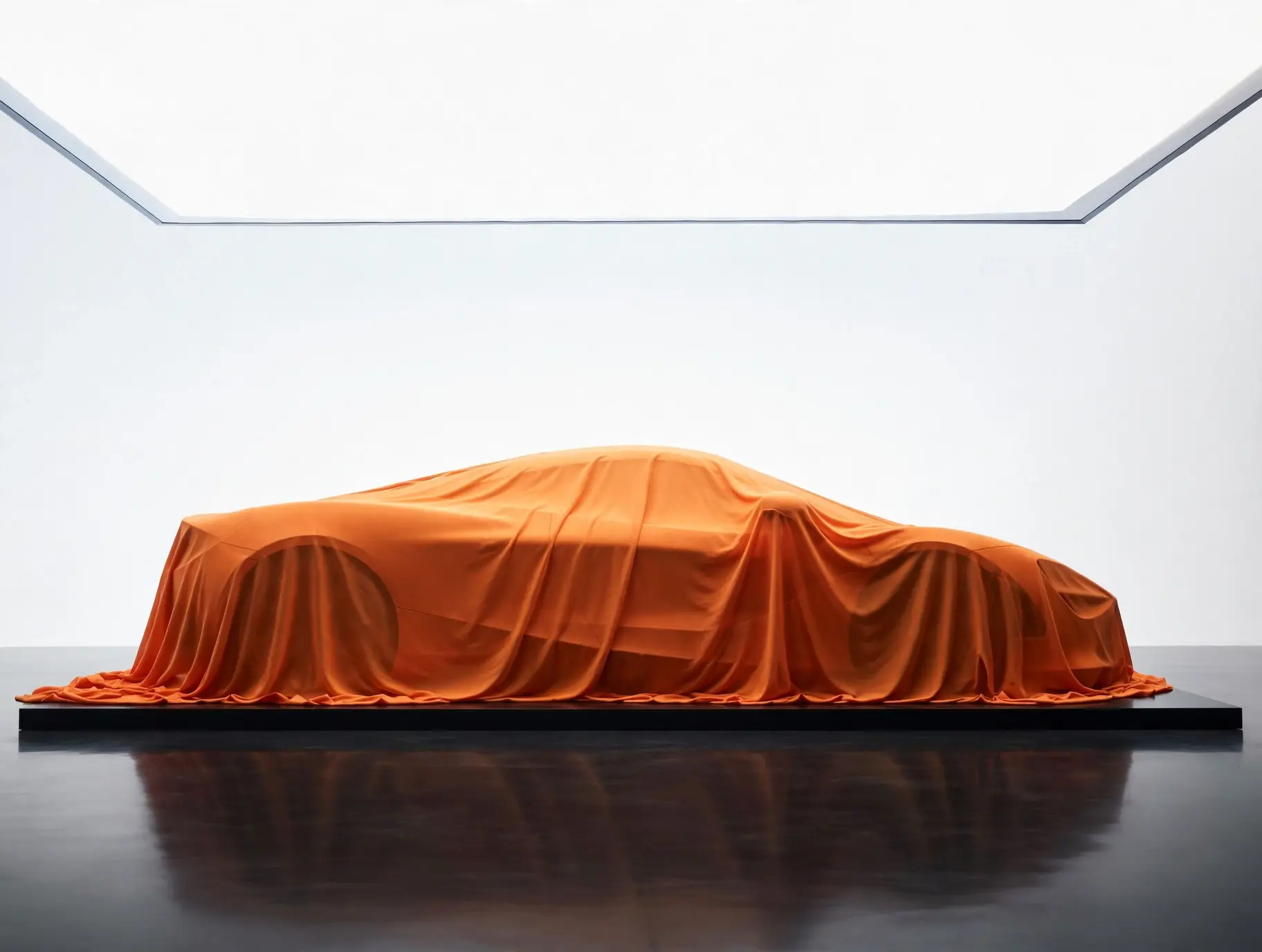
The Supercar McLaren Named Before It Showed.
On October 30, 2026, McLaren announced its next series-production supercar will be called the McL 820, that it arrives in 2027, and that the 820 in its name is its power output: 820 PS, about 809 horsepower. It showed no car, no engine, no price, and no photograph of anything with four wheels. What it showed, a day earlier, was a giant kiwi statue in a London shopping district with the name painted on its side. This is the verified breakdown of a name, a number, and a farewell: what McLaren confirmed, what the outlets are reading into it, and everything that is still a question mark.
Read the preview →AI-generated artwork for Torque Authority
B03The photos
Take the pictures. Most came from the press pack — two are AI art.
Every McLaren image on this site in one place — the story heroes and body shots, plus a few more from the press archive. Two of them are AI-generated artwork (the orange-veil 820 and the cartoon kiwi), because McLaren has not shown the car; both are labelled as such. Click any photo to enlarge it, download it for your wallpaper. Credit stays on every image, always.

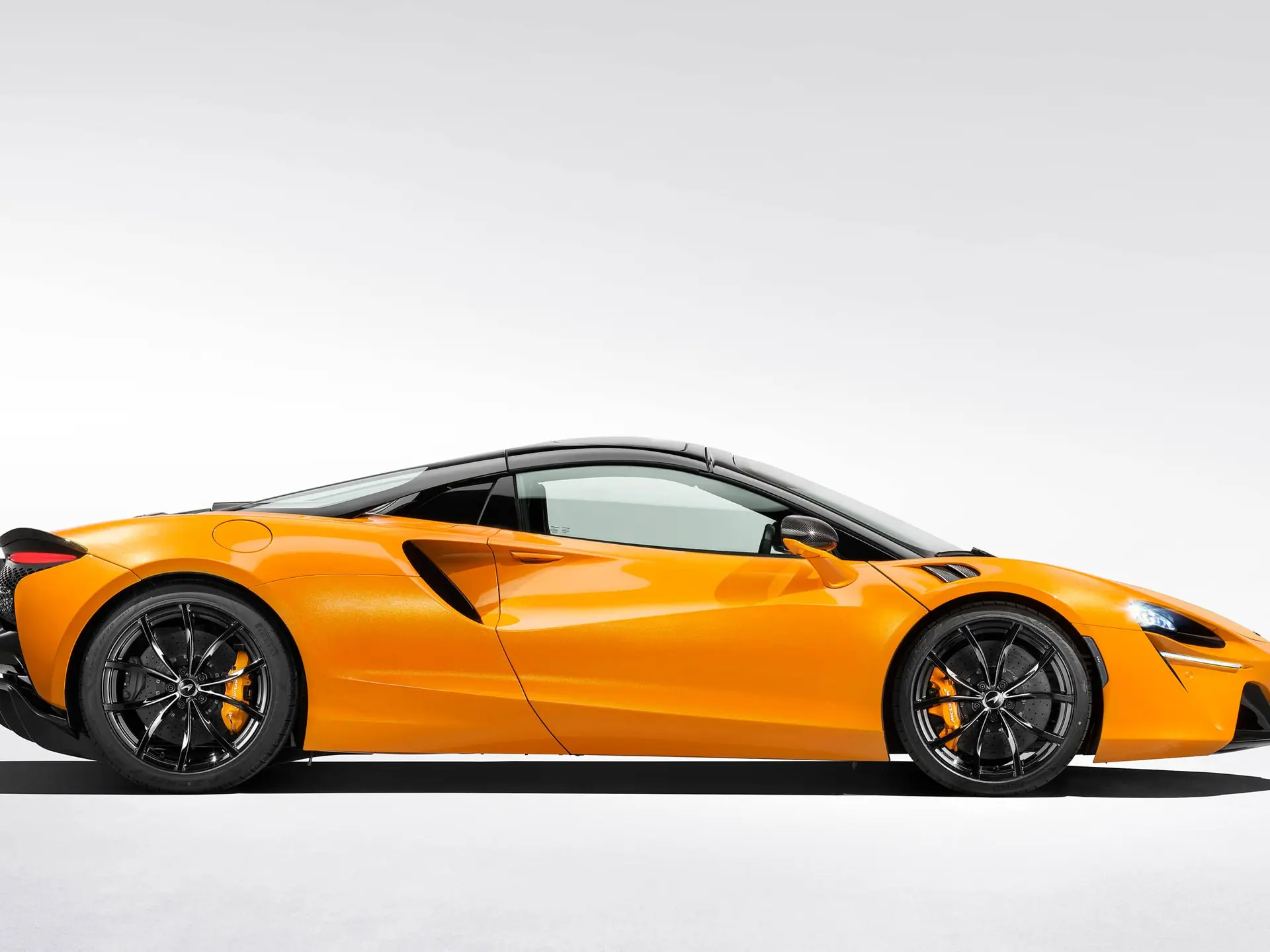
B04The icons — not yet covered
The cars that made the badge.
These three built McLaren’s legend, and we haven’t reviewed any of them — yet. This section rotates: when an icon gets its retrospective, it graduates to the story list above and a new icon takes its place. If one of these gets the traffic, it gets the story next.
 Icon — not yet covered
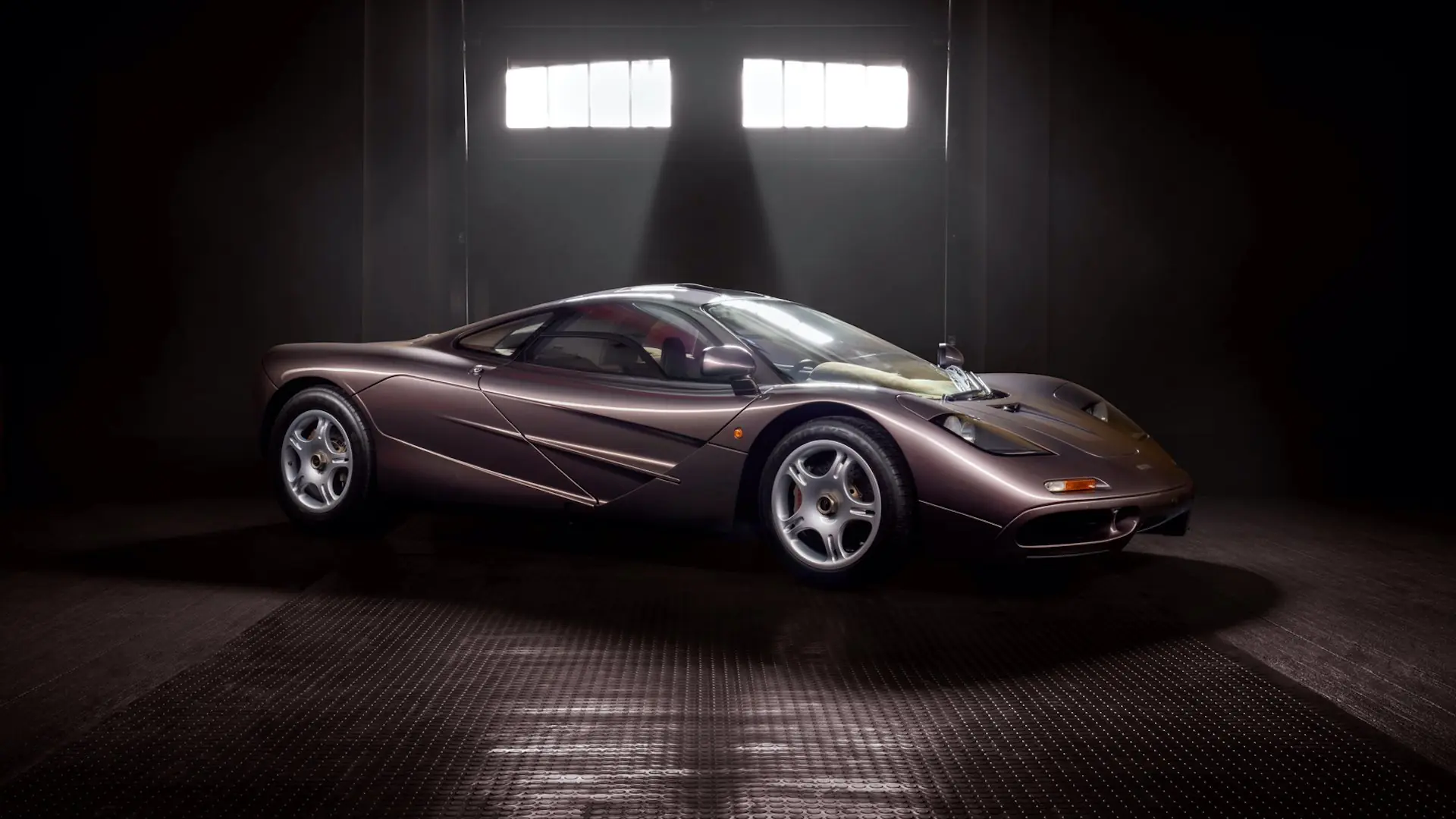
McLaren F1 1992–1998
106 built · 6.1L BMW V12 · 618 hp (627 PS) · 240 mph
Gordon Murray’s three-seat, gold-lined-engine-bay, central-driving-position masterpiece — still the fastest naturally aspirated production car ever built, at 240.1 mph — set by the XP5 prototype on March 31, 1998, with the rev limiter raised; standard cars are limited to about 221 mph. The 106 break down as 64 road cars, 5 LMs, 3 GTs, 28 GTRs and 6 prototypes. The manual in the 6GT exists because of this car. If the F1 gets the traffic, the F1 gets the retrospective.
Photo: Gooding & Company
Download ↓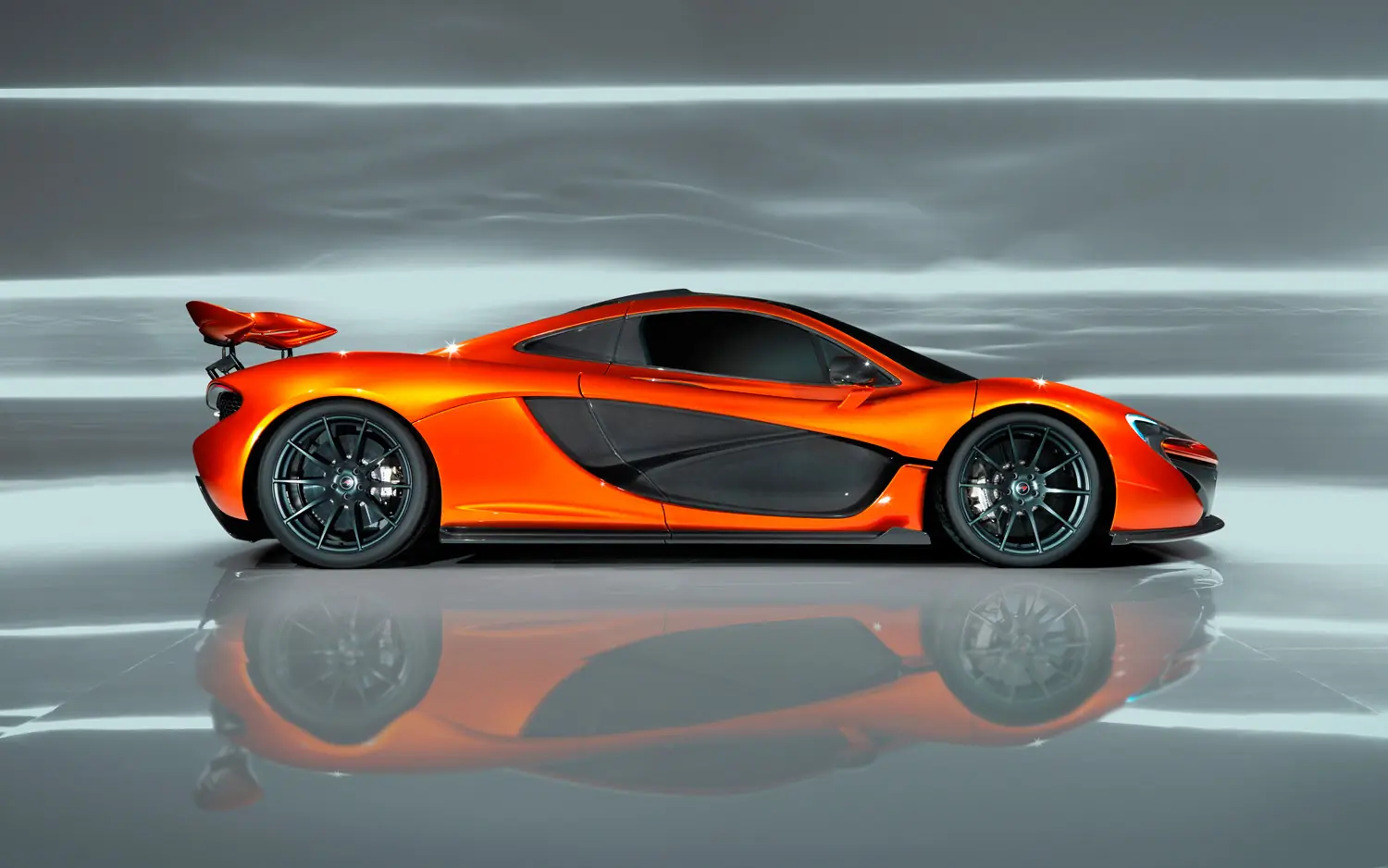 Icon — not yet covered
McLaren P1 2013–2015
375 built · 3.8L twin-turbo V8 + e-motor · 903 hp · 217 mph
One third of the Holy Trinity, and the car that made electricity a halo instead of a compromise. A hybrid hypercar that sold out before the first customer car was delivered — the W1 is its heir. The 820’s hybrid powertrain is still unconfirmed, so this page won’t claim it as a child yet. This is the parent.
Photo: McLaren
Download ↓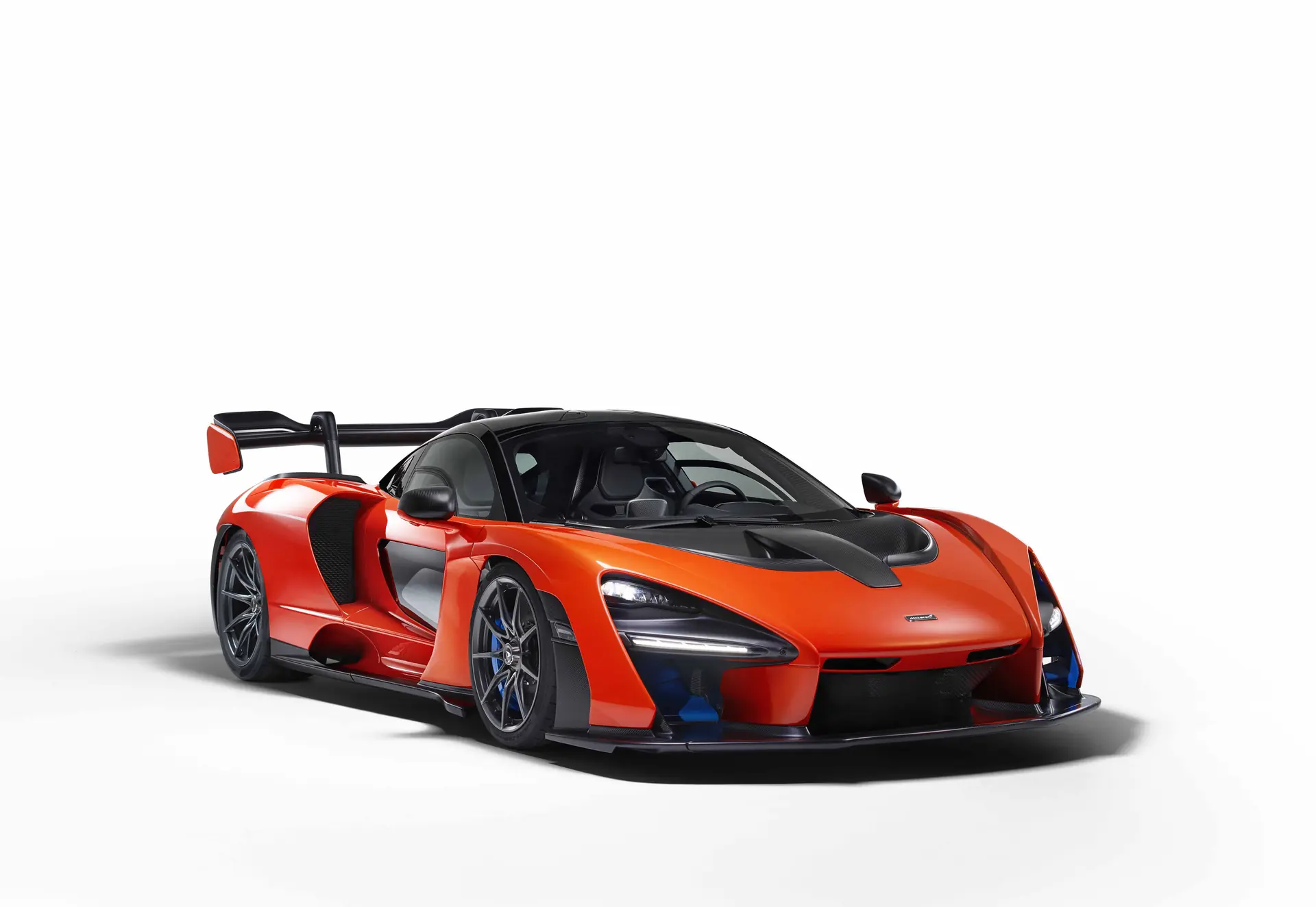 Icon — not yet covered
McLaren Senna 2018–2019
500 coupés · 4.0L twin-turbo V8 · 789 hp · 208 mph
Named after Ayrton, built for lap times and nothing else: 800 kg of downforce, a wing you could land a plane on, and a face only an aerodynamicist could love. The most extreme road-legal McLaren ever — and the one the 6GT is the opposite of.
Photo: McLaren
Download ↓B05Quick answers
The questions people actually ask.
What is the McLaren McL 820?
McLaren’s next series-production supercar, announced on October 30, 2026, and due in 2027. The 820 in its name is its power output: 820 PS, about 809 hp. McLaren showed no car, no engine, and no price — just a giant kiwi statue in Covent Garden with the name on it, a day before the announcement.
Is the McLaren McL 6GT a manual?
Yes — a six-speed manual with an exposed mechanical linkage, driving the rear wheels, behind a mid-mounted V8. It is the first McLaren road car with a manual gearbox since the F1 of 1992. The production version is due in 2028; power, weight and price are undisclosed, with around 500 cars at around US$1.5 million reported but not confirmed by McLaren.
What is the fastest McLaren?
At the Nürburgring, the 720S at 7:08.340 (Sport Auto supertest, June 28, 2018) is the fastest McLaren lap on our leaderboard. Of the McLarens we have covered, the most powerful is the McL 820 at 820 PS — but it has no top speed yet, because the car has not been shown. The fastest McLaren ever, the F1, did 240.1 mph in 1998. We haven’t covered it yet.
Where the numbers come from
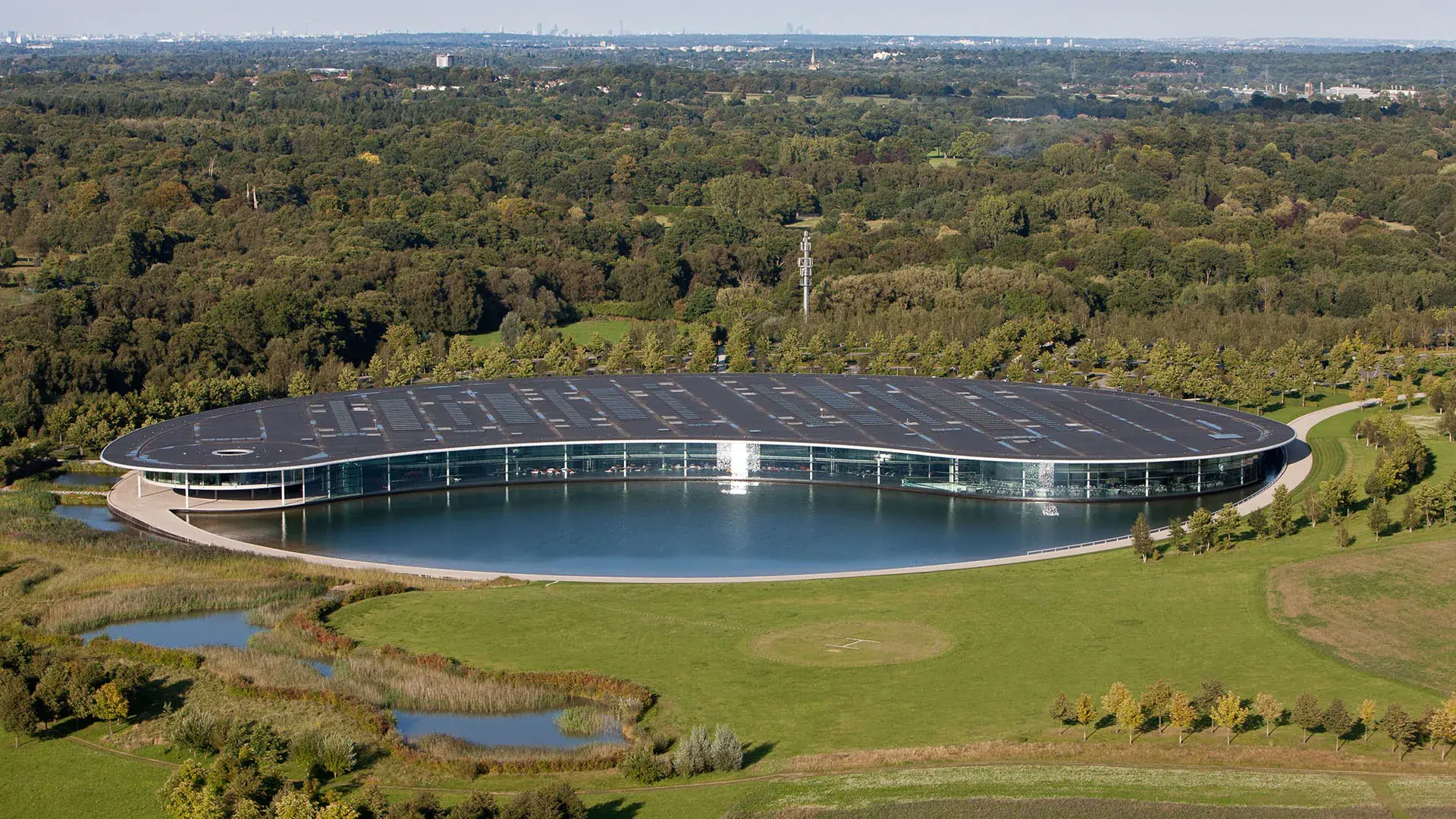
The McL 6GT and McL 820 previews and the Hybrid Fight-Back explainer on this site, and the Torque Authority Nürburgring leaderboard — the McLaren 720S’s 7:08.340 was set by Christian Gebhardt in a Sport Auto supertest on June 28, 2018, in a stock car on Pirelli P Zero Corsa tyres, on the 20.6 km layout. Icon figures: McLaren’s own launch figures and the standard reference works for the F1 (106 built — 64 road + 5 LM + 3 GT + 28 GTR + 6 prototypes — 618 hp (627 PS), 240.1 mph), the P1 (375 built, 903 hp, 217 mph) and the Senna (500 coupés, 789 hp, 208 mph). Photos are manufacturer press photos, credited on every image; the F1 photo is Gooding & Company’s auction photography, the hero is Formula 1’s photograph of the McLaren Technology Centre, and two gallery images are AI-generated artwork for Torque Authority (the orange-veil 820 and the cartoon kiwi), labelled as such.